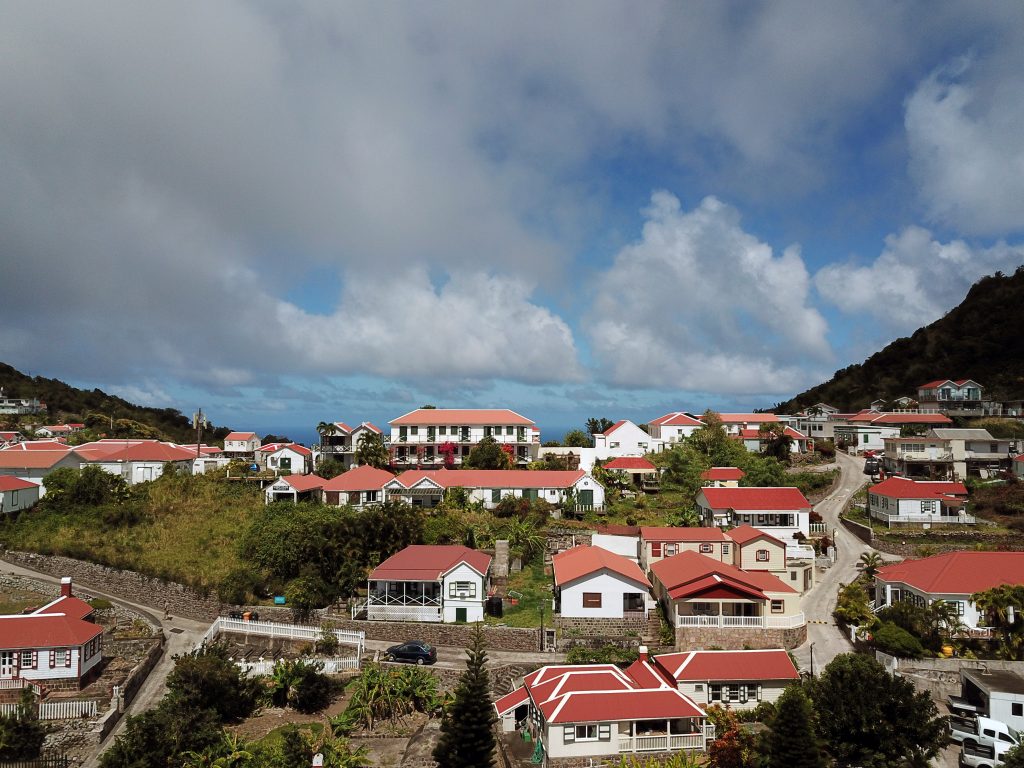
Saba is a close-knit island community of fewer than 3,000 inhabitants. When the historic Scouts Place Hotel closed, the building had fallen into disrepair.
Rather than letting this landmark fade, the ambition was to reimagine it for the 21st century—respecting its heritage while positioning it for the future.
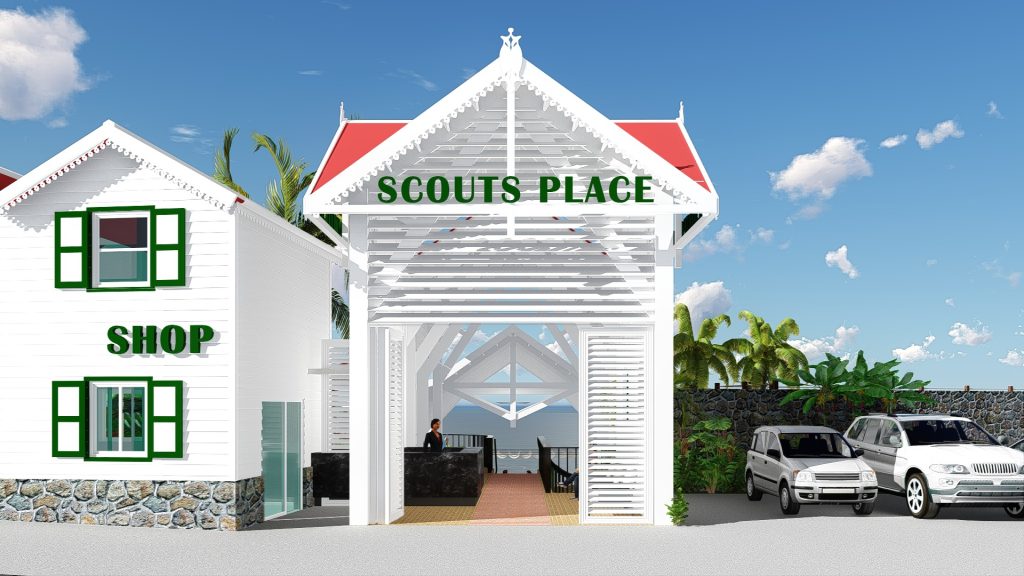
Founded in the 1960s, Scouts Place holds a unique place in Saba’s history. It was one of the island’s first hotels and played a pivotal role in opening Saba to international visitors at the dawn of modern tourism. This legacy formed the foundation for a careful renovation and expansion, complemented by additional structures designed in the traditional Saban architectural style. The aim was to create a complete heritage experience within a small, high-end boutique hotel. The scope included the renovation and extension of the hotel, increasing capacity from 14 to 32 rooms.
As the investment originated from the Dutch Caribbean Pension Fund, an important requirement was to embed the project within the local community. The hotel was therefore conceived not only as a destination for visitors, but also as a central meeting place that strengthens social ties and contributes to village life in Windwardside.
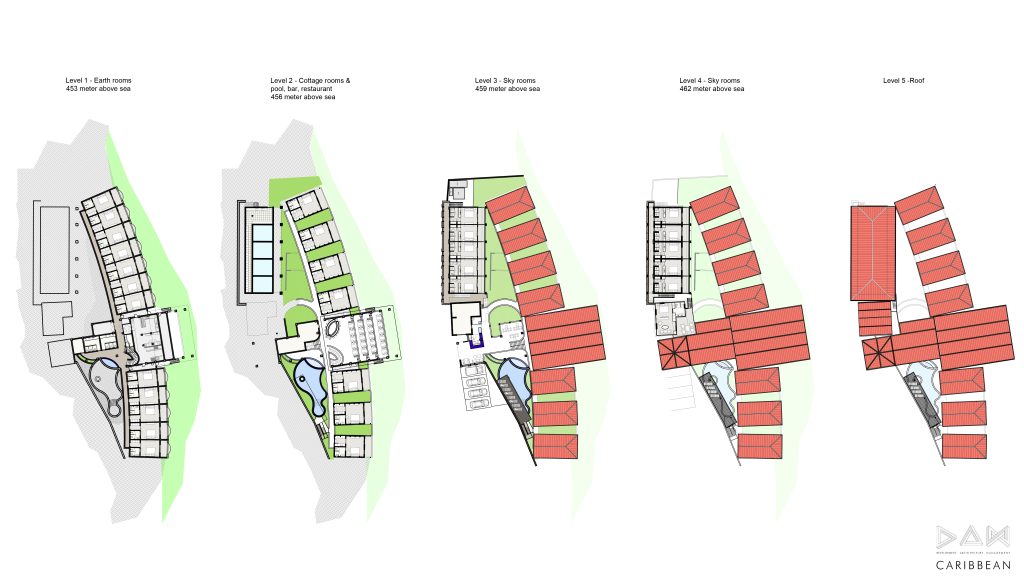
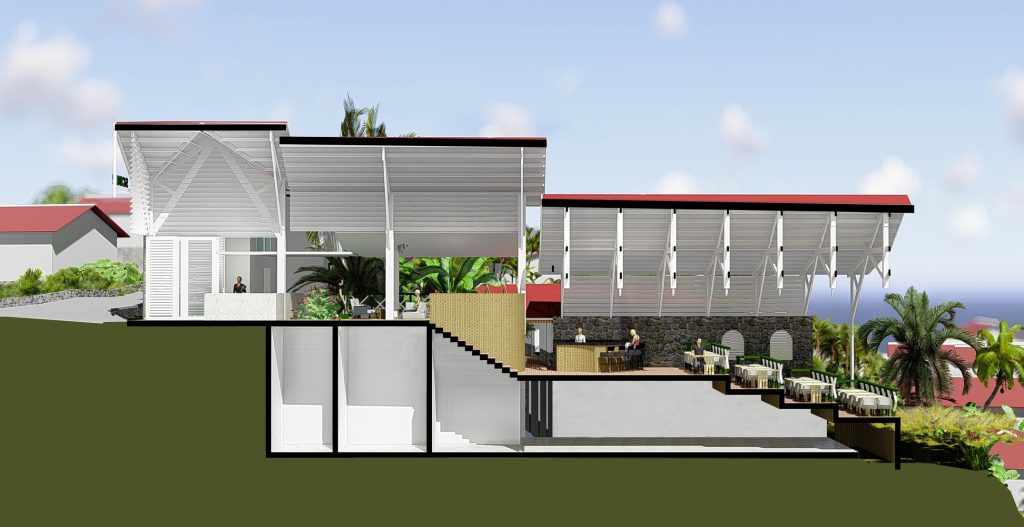
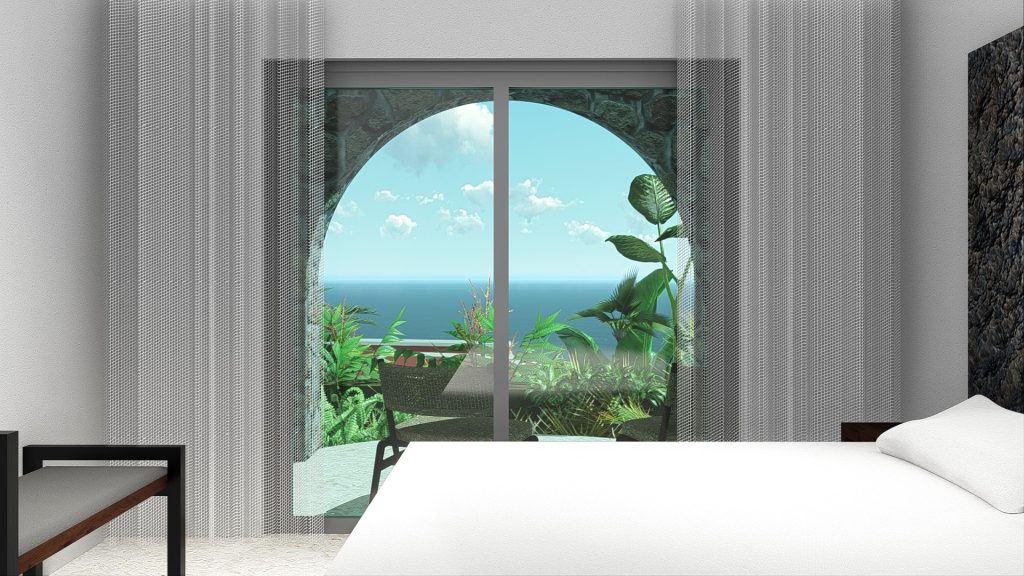
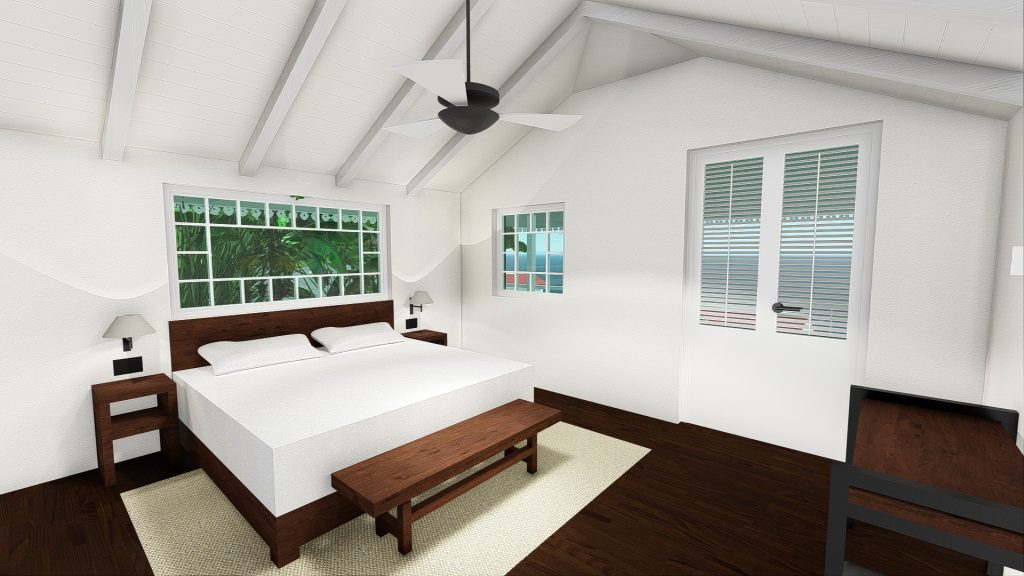
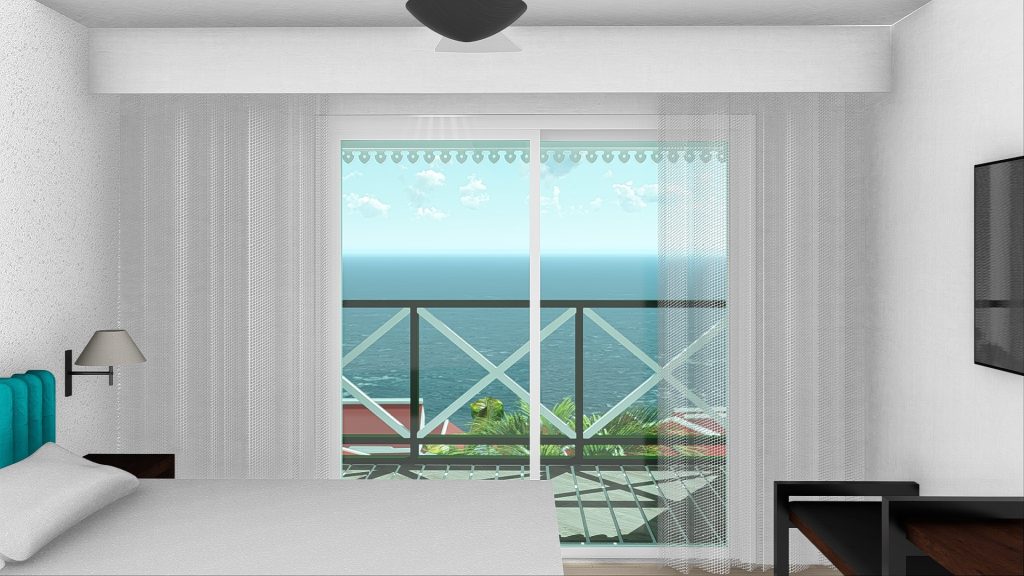
The architectural design features a variety of room types—earth rooms, cottages, and sky rooms—each offering a distinct spatial experience. The composition is organized around a curved wall with arcades housing the earth rooms, with cottages positioned above. This curvature was essential to break down the mass of the hotel, ensuring it remained sensitive to the scale and character of the village.
At the heart of the complex is the restaurant, designed as an auditorium-like space with panoramic views across the island and sea. Beyond its role as a dining venue, the space was conceived as a flexible cultural hub, capable of transforming into a cinema or event space, reinforcing the connection between guests and the local community.
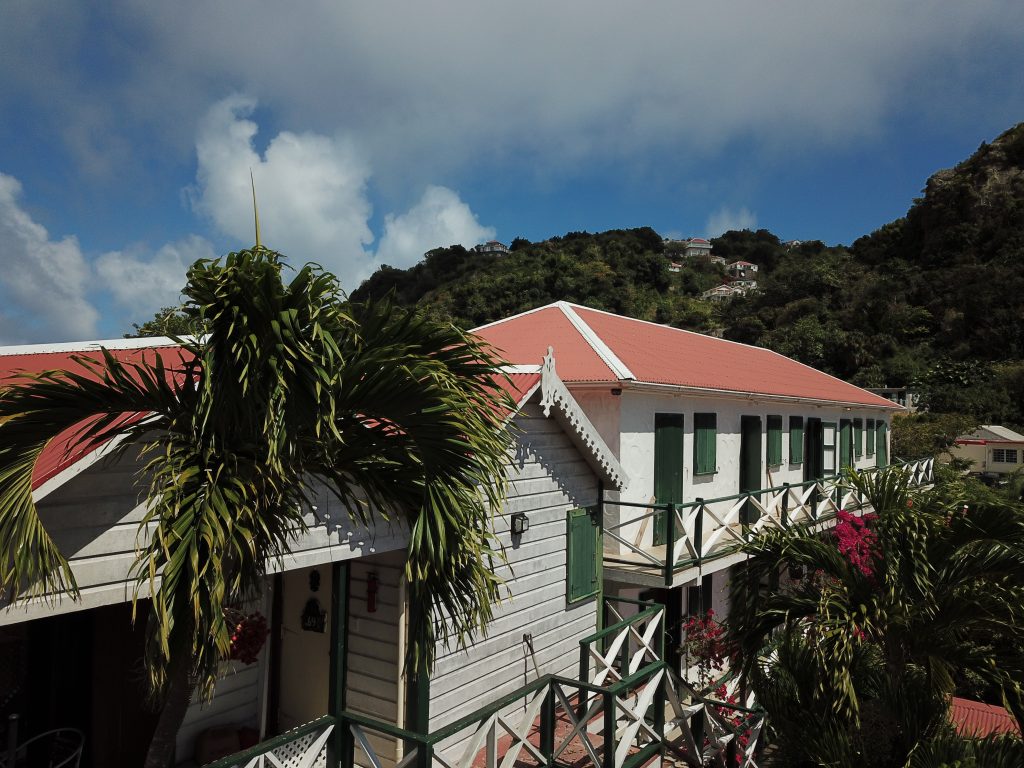
Accessibility was a key design driver, with 50% of the hotel made wheelchair accessible. Exterior materials—red roofs, green shutters, white walls, and natural stone—are a direct reference to traditional Saban architecture, ensuring continuity with the island’s built heritage.
While the project was fully permitted and supported by highly detailed tender documentation, supervision was ultimately awarded to a local third party. During execution, several design elements and compositional principles were simplified or omitted, resulting in a more conventional hotel character. Despite this downgrading from the original high-end boutique concept, key architectural features and spatial ideas remain visible in the built result.
The design represents a careful balance between innovation and tradition. Interiors pay homage to Saba’s cultural identity while incorporating refined materials and finishes that meet contemporary standards of comfort and luxury. The result is an architecture that respects the past, serves the present, and contributes meaningfully to the future of the island. The hotel is scheduled to re-open in 2025.